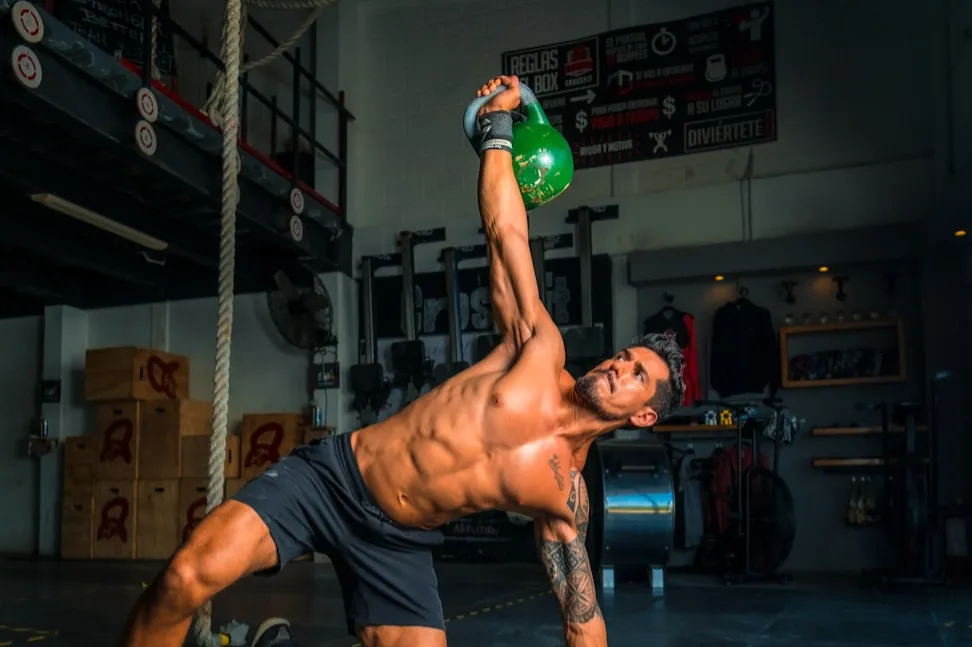
Move Better: Technique & Mobility for Lifelong Training
Move Better: Technique & Mobility for Lifelong Training
Strength matters.
Conditioning matters.
But if your movement quality is poor, both of those things eventually break down.
The reality is simple: you can’t out-train bad movement forever.
Over time, poor mechanics lead to unnecessary stress on joints, inefficient movement patterns, and eventually injury or burnout.
If you want to train for decades—not just months—movement quality has to become a priority.
Technique Is Performance
Many people treat technique like something beginners need.
In reality, the more advanced you get, the more important technique becomes.
Good technique allows you to:
• Produce more force
• Move more efficiently
• Reduce injury risk
• Maintain consistency in training
When technique breaks down, performance follows.
Whether you’re lifting weights, running, or performing conditioning work, how you move determines how well you perform.
Mobility vs Flexibility
Mobility and flexibility are often confused, but they’re not the same thing.
Flexibility means your muscles can lengthen.
Mobility means you can control movement through a full range of motion.
For training purposes, mobility is what matters most.
You don’t just want to reach positions—you want to be strong and stable in them.
Key Areas Most Athletes Need to Improve
For strength and conditioning athletes, three areas tend to cause the most problems:
Hips
Restricted hips can affect squatting, running mechanics, and power production.
Thoracic Spine
Limited upper back mobility affects posture, breathing, and overhead movement.
Shoulders
Poor shoulder control can lead to pressing pain and instability.
Targeted mobility work for these areas can dramatically improve training quality.
Mobility Should Be Part of Training
Mobility doesn’t have to mean long stretching sessions.
Instead, build it directly into your workouts:
• Movement prep before training
• Controlled tempo exercises
• Stability drills
• Light flow-based movements between sets
Small daily improvements create big long-term results.
Lifelong Training Is the Goal
The goal isn’t to train hard for a few years.
The goal is to train for life.
That requires a foundation built on:
• Good movement mechanics
• Joint health
• Consistent mobility work
Strength and conditioning should make your body more capable—not more fragile.
The Take AIM Perspective
At Take AIM, movement quality isn’t optional.
It’s the foundation everything else is built on.
Train hard, yes.
But train in a way that allows you to keep showing up year after year.


