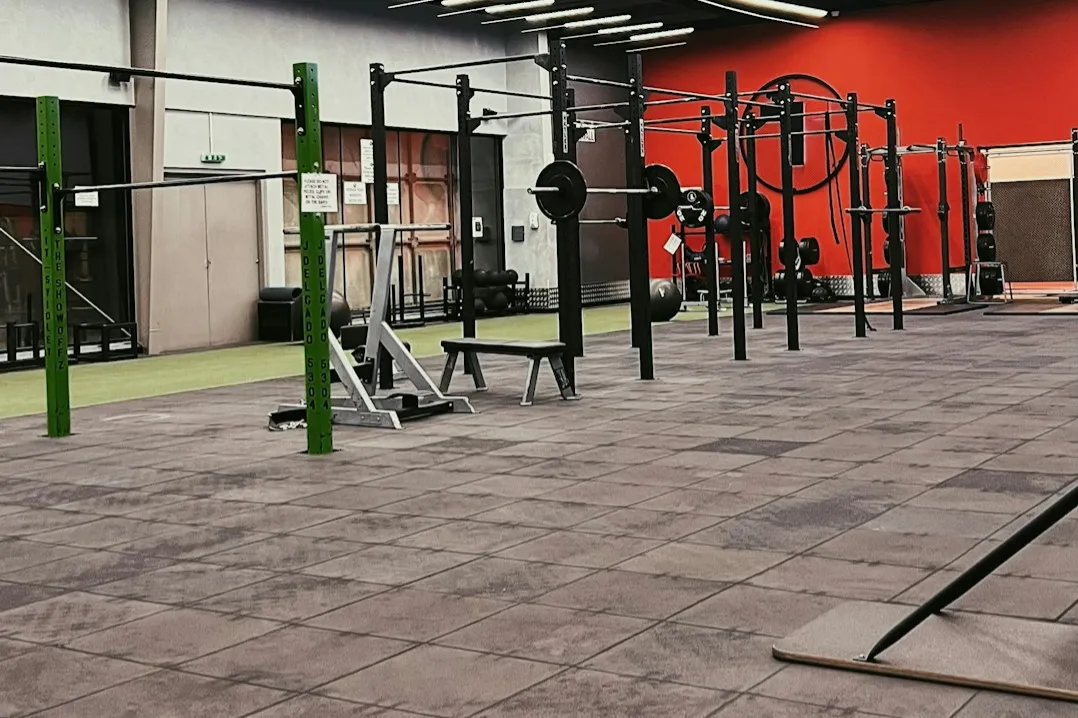
How to Structure Your Week for Strength & Conditioning
How to Structure Your Week for Strength & Conditioning
If you’re serious about getting stronger, moving better, and improving conditioning, the biggest mistake most people make isn’t lack of effort.
It’s lack of structure.
Too many people train hard but without a clear weekly plan. One day it’s heavy lifting, the next day it’s random cardio, then maybe a long run, then nothing for three days because recovery wasn’t managed.
Progress doesn’t come from random workouts.
It comes from intentional structure.
The Goal of a Weekly Training Structure
Your week should balance three key components:
• Strength development
• Conditioning capacity
• Recovery and movement quality
When structured correctly, these elements support each other instead of competing.
Strength work builds your engine.
Conditioning teaches your body how to use that engine.
Recovery allows adaptation so progress actually happens.
Without that balance, you end up tired, stagnant, or injured.
A Simple Weekly Framework
For most people training 4–5 days per week, a structure like this works extremely well:
Day 1 – Lower Body Strength + Short Conditioning
Focus on foundational lifts like squats, deadlifts, or lunges. Finish with short conditioning intervals.
Day 2 – Upper Body Strength + Mobility Work
Pressing, pulling, and upper-body stability work paired with focused mobility.
Day 3 – Conditioning Focus
Running intervals, sled work, circuits, or hybrid training pieces.
Day 4 – Strength + Movement Quality
A lighter strength day combined with mobility, coordination, or movement drills.
Day 5 (Optional) – Longer Conditioning Session
Steady aerobic work like running, rowing, or longer mixed conditioning.
Don’t Ignore Recovery Days
Recovery isn’t laziness.
It’s part of the program.
On recovery days you should still move, but with lower intensity:
• Walking
• Mobility work
• Light rope flow
• Easy aerobic activity
These sessions improve circulation, maintain movement quality, and help your body adapt to training stress.
Why Structure Matters
When your week has purpose:
• Strength sessions stay productive
• Conditioning improves instead of draining you
• Recovery keeps injuries away
• Training becomes sustainable long term
Random training creates random results.
Structured training builds progress.
The Take AIM Approach
At Take AIM, training isn’t just about doing more.
It’s about doing the right work at the right time.
When your week is structured correctly, every session moves you forward instead of just wearing you down.
Consistency plus structure is what builds real strength and long-term performance.


